Introduction: The Future of Roofing is Green
As the world shifts toward sustainability, homeowners are seeking eco-friendly solutions for every aspect of their homes including roofing. Traditional roofing materials contribute to energy waste, carbon emissions, and environmental degradation. However, advancements in sustainable roofing now offer durable, energy-efficient, and recyclable options.
If you’re planning to build or replace a roof in 2025, choosing the right sustainable material can lower your carbon footprint, reduce energy bills, and increase your home’s longevity. Let’s explore the top 10 sustainable roofing materials that are revolutionizing green building practices.
1. Cool Roofs: Reflecting Heat for Energy Efficiency
What It Is:
Cool roofs are made of reflective materials that prevent heat absorption, keeping homes cooler and reducing energy use.
Why It’s Sustainable:
- Lowers indoor temperatures, reducing air conditioning use.
- Reduces urban heat island effect.
- Available in various materials like metal, tile, and reflective shingles.
Best For:
- Hot and sunny climates
- Homes looking to cut cooling costs
2. Metal Roofing: Durable and Recyclable
What It Is:
Metal roofing is made from materials like aluminum, steel, and copper, often containing recycled content.
Why It’s Sustainable:
- Reflects heat, improving energy efficiency.
- Lasts 40–70 years, reducing landfill waste.
- Fully recyclable at the end of its lifespan.
Best For:
- Homes in extreme weather regions
- Homeowners seeking long-term investments
3. Solar Roofing: Powering Homes with the Sun
What It Is:
Solar roofing consists of photovoltaic shingles or integrated solar panels that generate electricity for the home.
Why It’s Sustainable:
- Provides renewable energy, reducing reliance on fossil fuels.
- Lowers electricity bills and carbon footprint.
- New designs blend seamlessly with traditional roofing.
Best For:
- Homeowners looking to invest in renewable energy
- Properties in sunny regions

4. Clay and Concrete Tiles: Natural and Long-Lasting
What It Is:
Clay and concrete tiles have been used for centuries due to their durability and natural composition.
Why It’s Sustainable:
- Made from abundant, natural materials.
- Extremely durable, lasting over 100 years.
- Recyclable and energy-efficient, regulating indoor temperatures.
Best For:
- Mediterranean or desert-style homes
- Homes in high-temperature areas
5. Recycled Shingles: Giving Waste a Second Life
What It Is:
Recycled shingles are made from repurposed materials like rubber, plastic, and wood fibers.
Why It’s Sustainable:
- Prevents landfill waste by repurposing materials.
- Mimics the appearance of traditional shingles but with better durability.
- Can be recycled again at the end of their lifespan.
Best For:
- Budget-conscious homeowners seeking eco-friendly options
- Areas with strict recycling initiatives
6. Wood Shingles and Shakes: Natural Beauty with Responsible Sourcing
What It Is:
Wood shingles and shakes provide a rustic aesthetic, typically made from cedar or reclaimed wood.
Why It’s Sustainable:
- Biodegradable and sourced from renewable forests.
- Reclaimed wood options reduce deforestation.
- Naturally insulating, improving energy efficiency.
Best For:
- Traditional and cottage-style homes
- Homeowners prioritizing aesthetics and sustainability
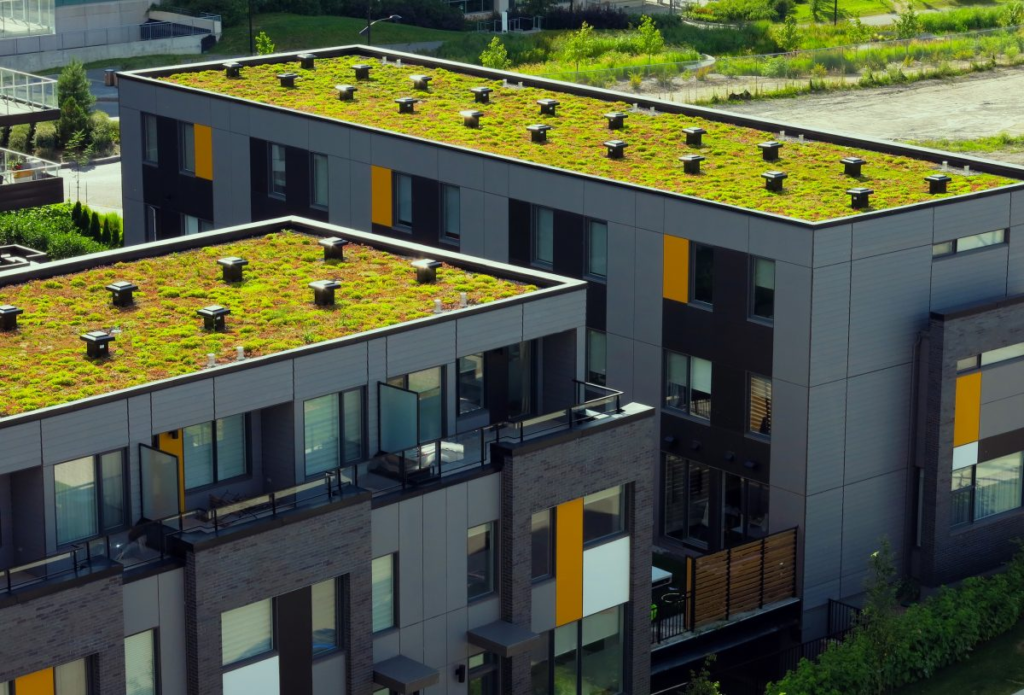
7. Green Roofs: Living Roofs for Urban Spaces
What It Is:
Green roofs consist of vegetation planted over a waterproof membrane, turning rooftops into gardens.
Why It’s Sustainable:
- Absorbs CO2, improves air quality, and reduces heat absorption.
- Enhances urban biodiversity by providing habitats for wildlife.
- Naturally insulates buildings, lowering heating and cooling costs.
Best For:
- Urban dwellers with flat roofs
- Eco-conscious homeowners looking for a unique roofing solution
8. Slate Roofing: Timeless, Natural, and Indestructible
What It Is:
Slate roofing is made from natural stone, providing one of the longest-lasting roofing materials available.
Why It’s Sustainable:
- Lasts over 100 years, reducing the need for replacements.
- Natural material with minimal processing required.
- Resistant to fire, mold, and extreme weather conditions.
Best For:
- Luxury homes seeking a classic, high-end look
- Homeowners wanting an ultra-durable roofing solution
9. Rubber Roofing: Flexible and Eco-Friendly
What It Is:
Made from recycled tires and other rubber materials, rubber roofing is a flexible, durable, and waterproof option.
Why It’s Sustainable:
- Repurposes rubber waste, keeping tires out of landfills.
- Highly resistant to extreme weather conditions.
- Reflects heat, improving energy efficiency.
Best For:
- Homes in regions with heavy rain and snow
- Homeowners looking for a budget-friendly, durable option
10. Thatched Roofing: A Traditional Yet Sustainable Choice
What It Is:
Thatched roofing is made from natural straw, reeds, or grasses, offering an old-world charm with eco-friendly benefits.
Why It’s Sustainable:
- Made entirely from renewable, biodegradable materials.
- Provides natural insulation, keeping homes cool in summer and warm in winter.
- Can last 50+ years with proper maintenance.
Best For:
- Rural or cottage-style homes
- Homeowners embracing traditional, organic aesthetics
Conclusion: Choosing the Right Sustainable Roof for You
As eco-conscious building materials continue to evolve, sustainable roofing is more accessible than ever. Whether you’re looking for solar energy integration, recycled materials, or natural solutions, there’s an option for every home and budget.
Investing in a sustainable roof means:
- Lower energy costs
- Reduced environmental impact
- Increased property value
- A longer-lasting, more durable roof
By choosing the right eco-friendly roofing material, you’re not only protecting your home but also contributing to a greener planet. Ready to make the switch? The future of roofing is sustainable. Let’s build it together with Gentlemen’s Roofing. Contact us today.
FAQs
What is the most eco-friendly roof material?
Reclaimed tiles are the most eco-friendly option for roofing.
How to make a roof breathable?
If the roof includes ridge ventilation, the breather membrane must be cut on each side of the ridge to ensure the path of ventilation is still clear.
What is the least eco-friendly building material?
Certain non-renewable building materials such as cement & concrete, steel, aluminum, plastics, and glass have the highest embodied carbon, while earth-based materials have a lower impact.
About the Author
This blog is presented to you by the team of Gentlemen’s Roofing, a trusted roofing services provider in Kelowna.
Website- https://gentlemensroofing.ca/
Email- gentlemensroofing@gmail.com
Phone- +12503004894
Address- 2107 Peters Rd